
We came to take part, not just to take photos. Respecting a place is the promise behind everything Todd and I write, and it costs almost nothing to keep.
A place is someone’s home, someone’s livelihood, and someone’s nature. We try to travel like we remember that.
The longer we live abroad, the more obvious this gets. We are guests in other people’s countries, full stop. The way we spend, the way we behave, and the way we treat the land all leave a mark, whether we mean them to or not.
Respecting the place is a habit of paying attention, and nobody does it perfectly. Where does our money go? Are we in the way? Are we leaving this spot as good as we found it, or a little worse?
We get plenty wrong. But asking the question at all has changed how we travel, and it is the part of this work we care about most.
We have watched it happen in real time. An empty beach we loved on one trip is mobbed and littered the next. A village that was kind to strangers grows tired of being treated like a theme park. Tourism can pour money into a place or it can wear it down, and which one usually comes down to how the visitors behave.
We do not think the answer is to stay home. Travel done well supports families, keeps crafts and languages alive, and gives people a reason to protect what they have where they live. The answer is to travel like the place has to last, because for the people who live there, it does.
That is the whole idea behind this page. None of it is hard. Most of it is just paying attention and spending your money a little more thoughtfully than you might at home.
We are not asking anyone to be a saint. These four habits are easy, they cost little or nothing, and together they cover most of what matters.
The family-run guesthouse, the corner shop, the neighborhood cook. Where your money lands matters more than how much of it you spend.
A clumsy hello and thank you changes how people treat you. It says you came to take part, not just to take photos.
Pack out what you pack in, stay on the trail, and leave the beach, the ruin, and the street as clean as you found them. Cleaner if you can.
Dress for the temple, ask before the photo, and watch how locals behave. When in doubt, do what they do, not what is comfortable for you.
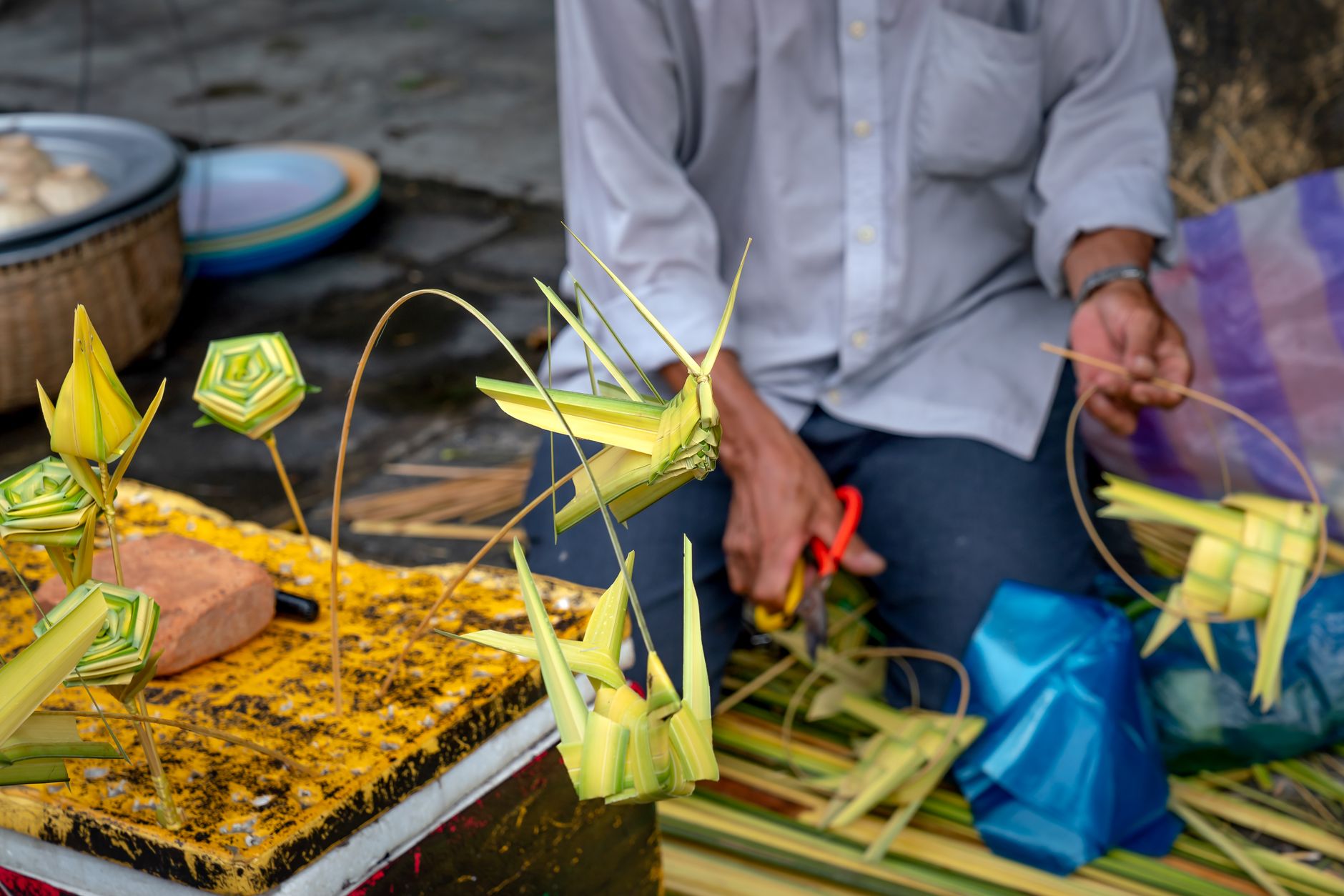
This is the easiest good you can do as a traveler, and it usually makes the trip better anyway. We try to put our money into local hands. The guesthouse run by a family instead of a chain. The cook who feeds her neighbors. The artisan selling the thing she actually made instead of the imported keychain version of it.
You come out ahead too. The family guesthouse is almost always more interesting than the chain, the home cook is usually the better meal, and the handmade thing is the souvenir you will still own in ten years. We have lugged home pottery, textiles, and one absurd cookie from a harbor town in the Netherlands because we would rather the money stay with the person who made it. Spend local and you eat better, remember more, and leave something behind that actually helps.
A few words in the local language is the cheapest sign of respect there is, and it pays you back every single time. You do not need to be fluent. You need to try, badly, out loud, in front of people who will be kind about it.
We get it wrong constantly. Once, trying to get a pair of pants fixed in Thailand, the phrase got so lost in translation that the whole errand turned into a comedy. You laugh, you learn the word, and you do better next time. That fumbling is the point. A traveler who clearly came to take part gets treated completely differently than one who expects the whole country to speak English at them. The more of the world we see this way, the less afraid we are of it, because for the most part people are friendly and open to anyone who meets them halfway.
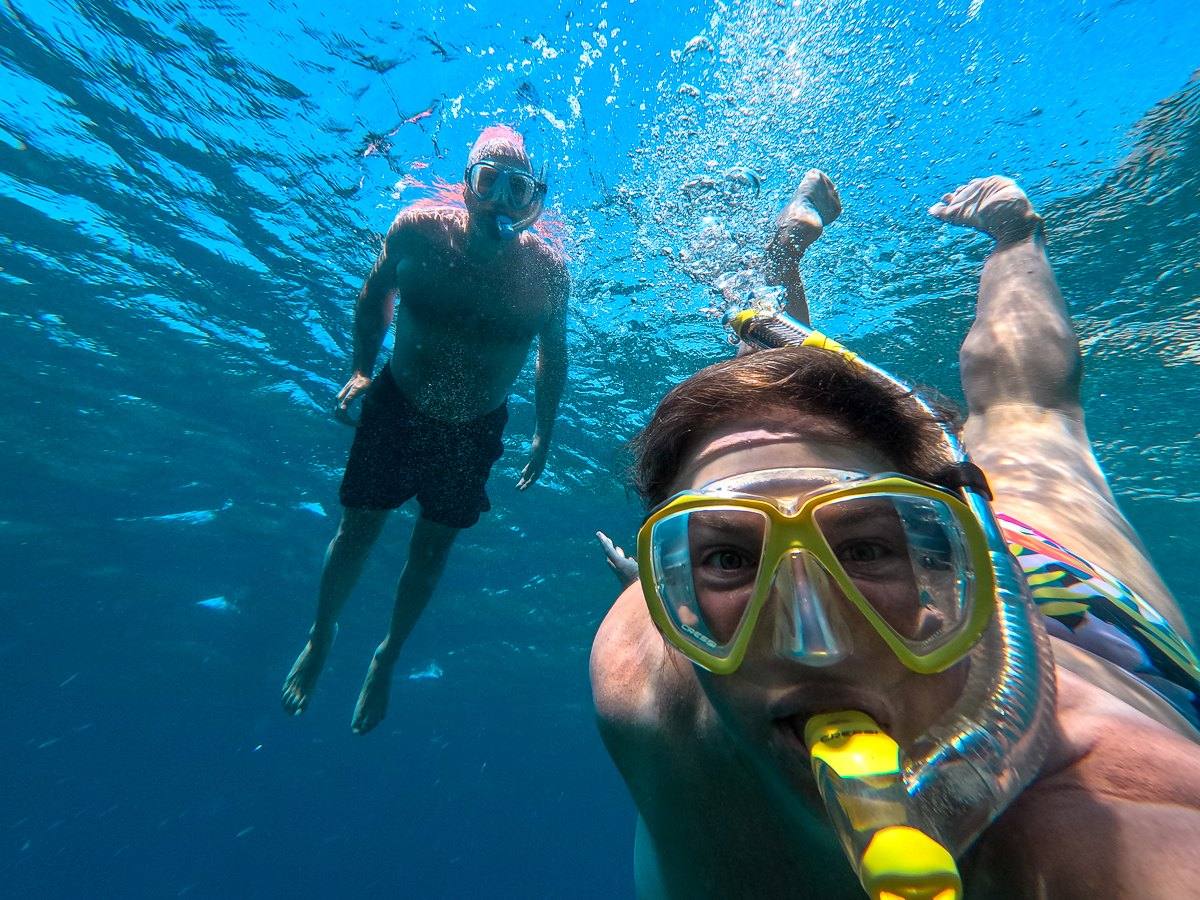
A lot of slow travel happens outdoors, and nature does not get a say in how we treat it. So we try to leave it exactly as we found it.
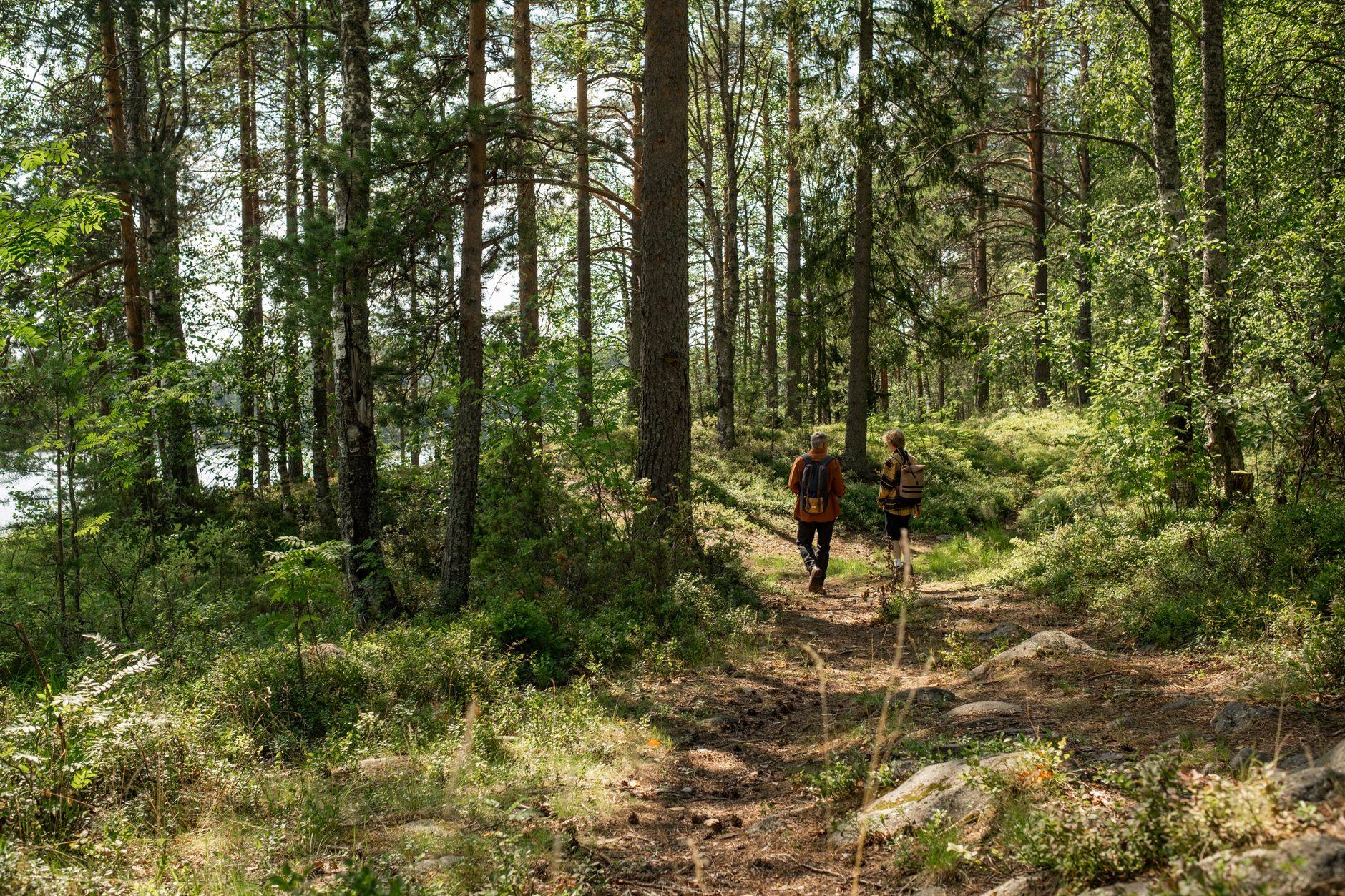
We keep to the trail, give animals room, and resist the photo that means trampling something fragile. The shortcut is never worth what it costs the place.
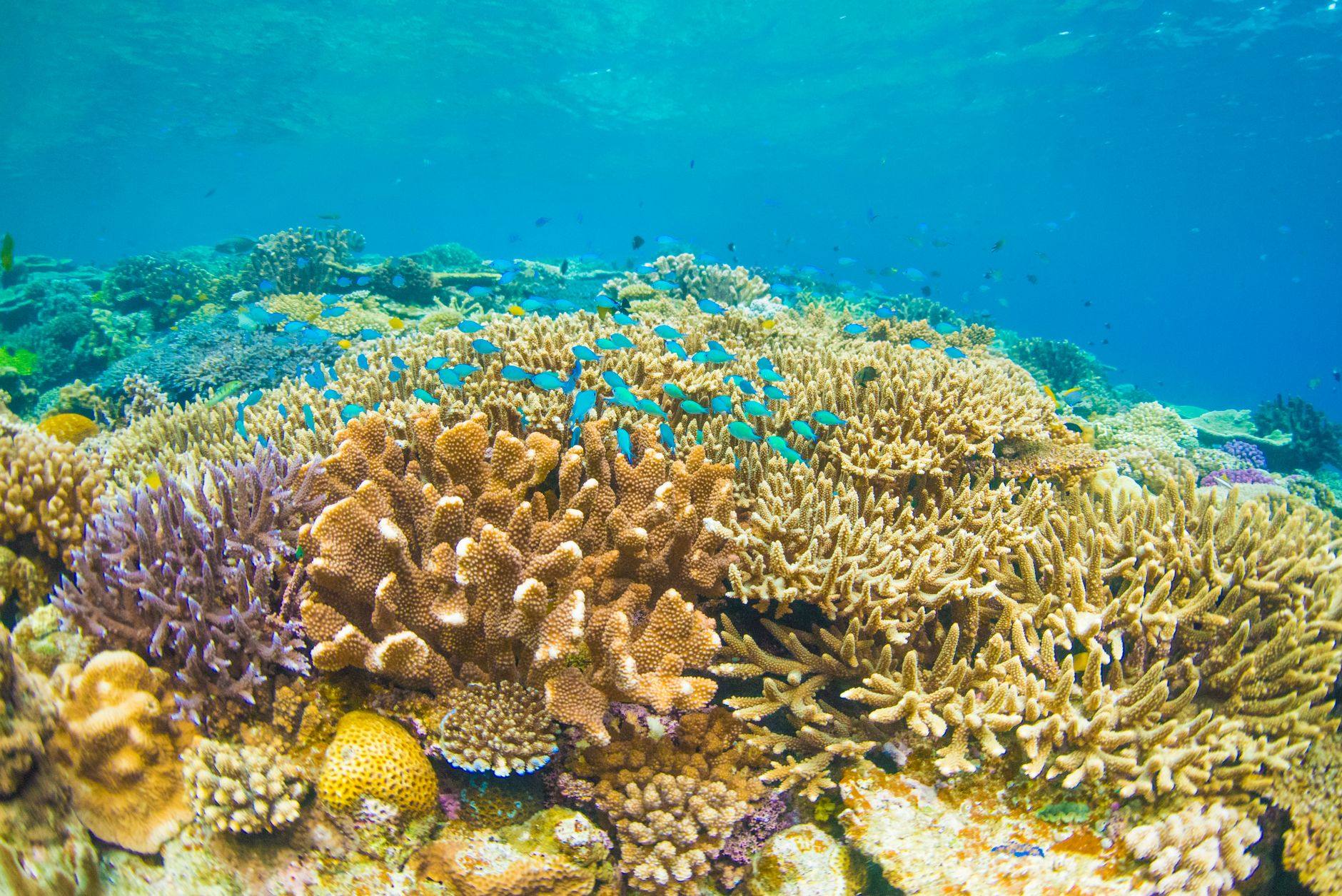
We snorkel a lot, and the rule is simple: touch nothing, stand on nothing, take nothing. Reef safe sunscreen, fins off the coral, and only bubbles left behind.
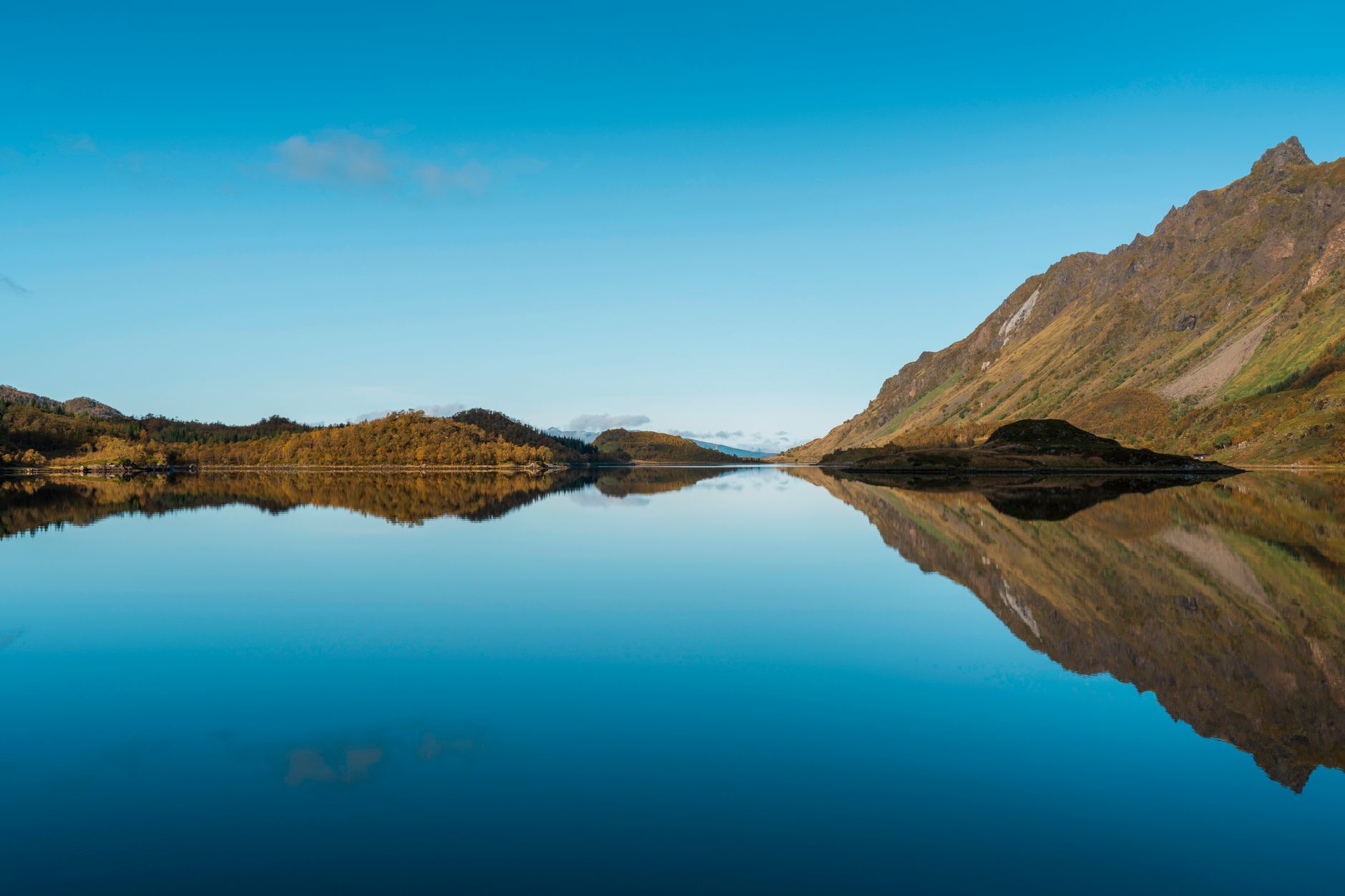
Pack out the trash, including what someone else dropped. Carry the water bottle. The wild places we love stay that way only if every visitor pretends they were never there.
Mairin
Some of the spots we treasure most are being slowly wrecked by people who love them, us included. The famous viewpoint, the perfect little town, the beach off the one viral photo. When everyone shows up at the same hour for the same shot, the thing that made it special starts to disappear.
We try to take the pressure off in small ways. We go early or late, when the crowds are thinnest. We pick the next town over instead of the one on every list, and it is almost always better for having fewer visitors. We skip the spot that is clearly drowning and come back in the off season, if at all.
Spreading out is one of the kindest things a traveler can do. The world is full of places that would love your company and your money, and steering toward them takes the strain off the few that are buckling under it. You also get a better trip, because nobody enjoys elbowing through a crowd for a photo everyone else already has.
Everything on this page gets easier when you slow down, which is the thread that ties our whole approach together. Rush through ten countries and you are a stranger in every one, spending at chains, skating across the surface, gone before you learn the name of anything.
Stay a while and the math changes. Your money goes to the same family guesthouse and the same corner shop week after week. You learn enough language to be polite. You figure out the local way of doing things because you are around long enough to notice it. Respect is mostly a function of time and attention, and slow travel hands you both.
That is why these values all live on the same site. Slow, intentional, food and culture, respect: they are not four separate ideas. They are one way of traveling, looked at from four sides. Go slower and the rest tends to follow on its own.
We want to end on something true, because travel writing about ethics can get preachy fast and we are in no position to preach. We fly on planes. We have bought the dumb souvenir. We have been the loud tourists in a quiet place without realizing it until later.
Nobody travels perfectly, and waiting until you can is just an excuse to not think about it at all. The goal is to leave most places a little better than you found them, to catch yourself when you slip, and to do better on the next trip than you did on the last.
Be a good guest. Spend where it helps. Pick up the trash. Learn the words. Do that imperfectly for years, like we have, and the world will be glad to see you coming.
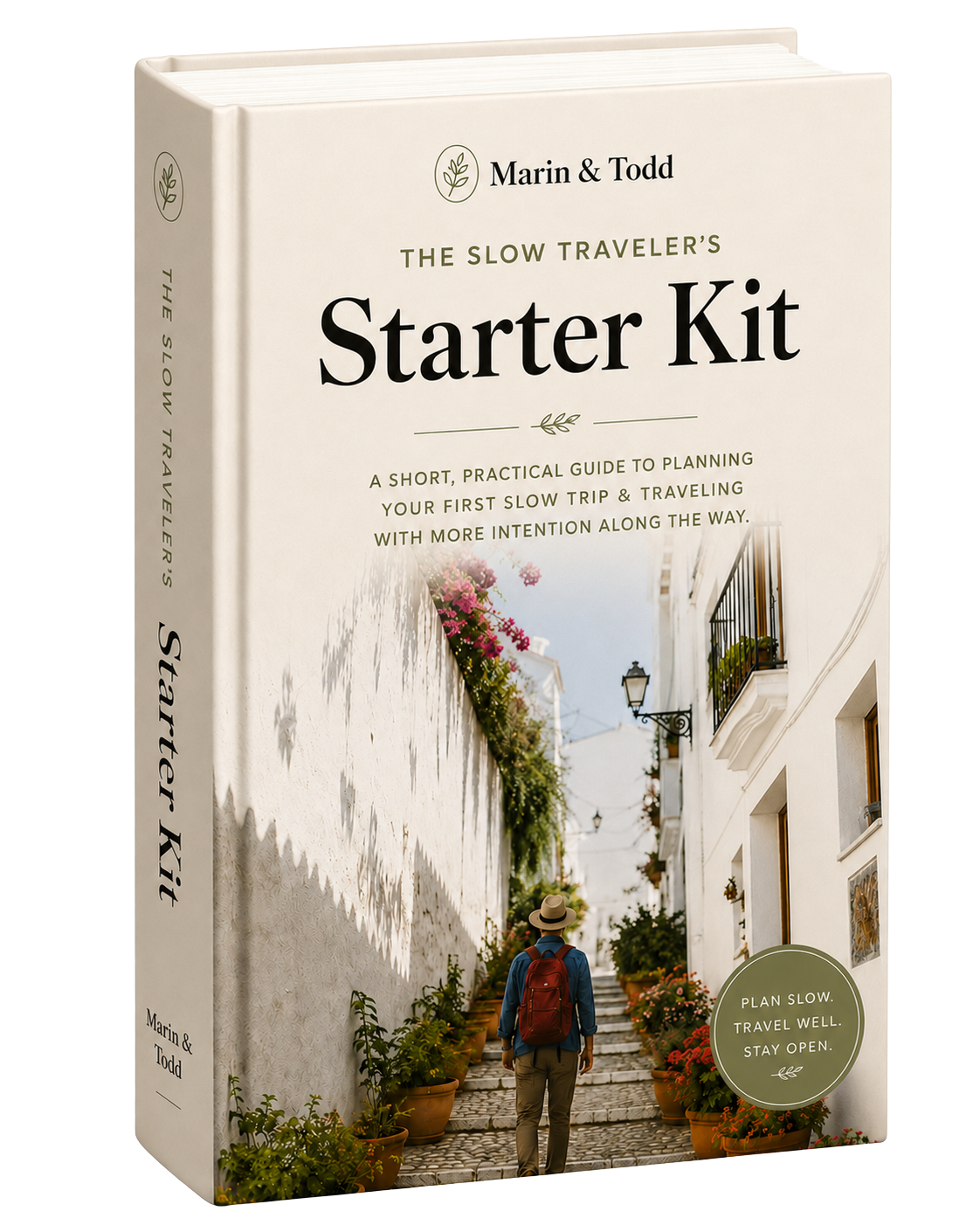
Our short, practical guide to planning a slower trip: how to pick a base, how long to stay, and how to travel deeper without the overwhelm.
Get the free guideWe send slow-travel tips and nothing else. Unsubscribe anytime.