
Intentional travel is just deciding what a trip is for before you book it. Fewer stops, clearer reasons, and a lot less booked. This is how Todd and I plan ours.
Slow travel is about pace. Intentional travel is about reasons. It is the question we ask before every trip: what is this one actually for?
For years we traveled on autopilot. We went where the cheap flight went, said yes to every sight because it was there, and came home unsure what the point had been.
Now we pick a reason first. Sometimes it is the food. Sometimes it is a language we want to fumble through, or a friend to see, or just a slow month to work and walk. Once you know the reason, almost every other decision gets easy.
We are not minimalists or planners by nature. We are two people who wasted enough trips to finally start asking why before where.
Before we book anything now, we ask each other one thing: what do we want to feel like when we get home? Rested? Stretched a little? Like we finally learned to cook the thing we love eating? The answer sounds soft, but it does more work than any itinerary.
Say the answer is rested. Then a month in one apartment beats four cities, and we book accordingly. Say it is stretched. Then we pick somewhere we don’t speak the language and sign up for the thing that scares us a little. The trip designs itself once the reason is clear.
The opposite is what we used to do, which was to book a flight because it was on sale and then reverse-engineer a reason to want it. That is how you end up exhausted in a city you never actually cared about.
The reason does not have to be lofty, either. Ours have been as simple as wanting to eat our way through one region, or to spend a month somewhere warm while we worked, or to finally see a friend who moved abroad. A small, true reason beats a grand, vague one every time, because you can actually build a trip around it. Start with the why, and the where stops being a guess.
We are not big planners, so this is short on purpose. Four questions, answered straight, and the rest of the trip mostly falls into place.
Food, language, rest, a person, a place we have wanted for years. One real reason per trip. If we can’t name it, we don’t book it yet.
Whatever we first wrote down, we delete half. Fewer places, more time each. Nobody has ever come home wishing they had rushed more.
We book the one or two things that matter and leave the rest open. Empty days are where the trip actually happens.
If the trip is about food, we bring an empty bag for what we’ll carry home. If it’s about walking, good shoes and not much else.
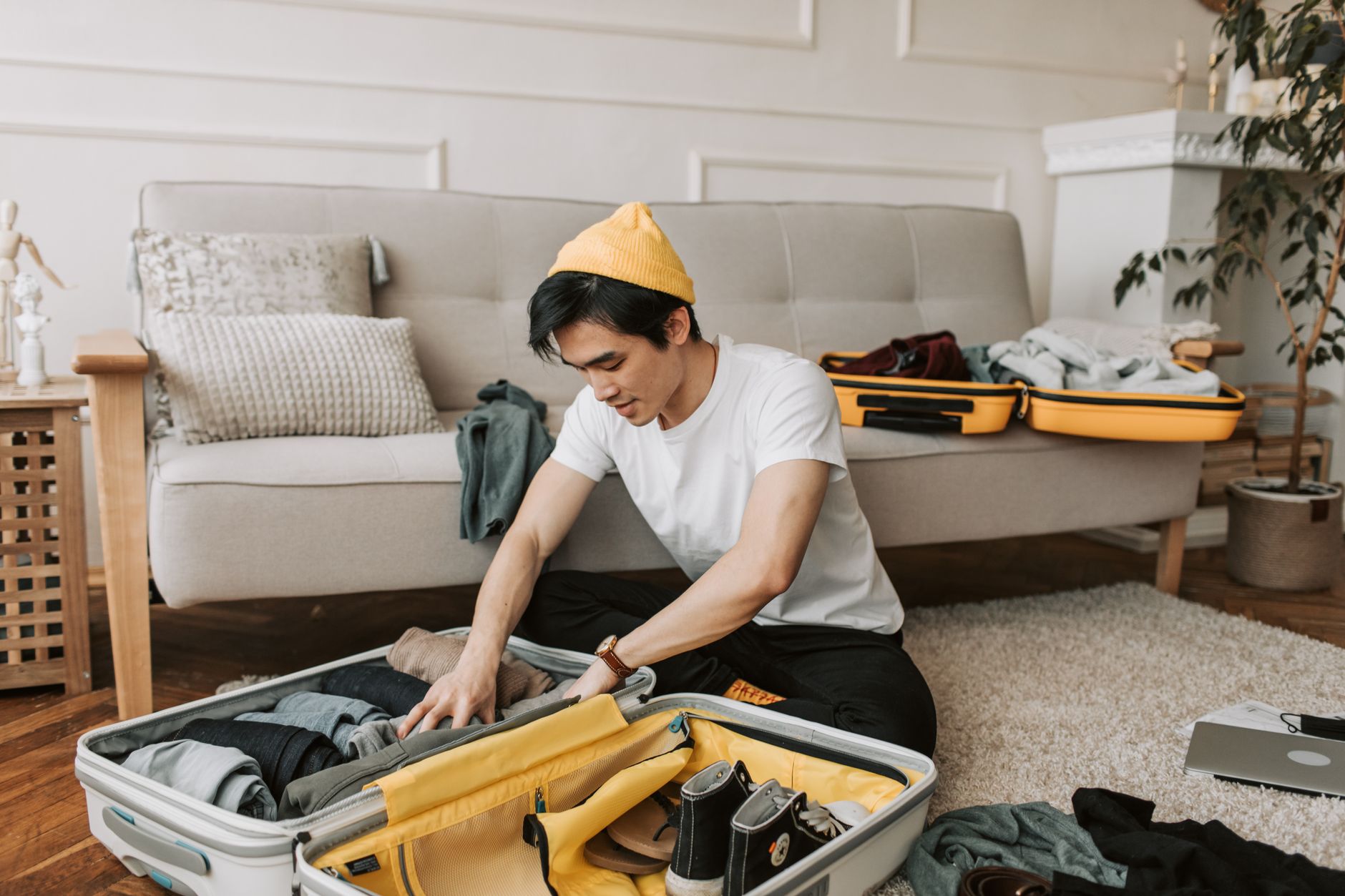
Intentional travel shows up first in your bag. We each travel with a carry-on, and we have for years. Not because we are tough, but because hauling a giant suitcase up four flights to a Spanish apartment cures you of overpacking fast.
The rule we use is simple: every item has to earn its place. If we haven’t worn it or used it on the last trip, it stays home. Less to carry means less to think about, fewer things to lose, and more room to bring back the bottle of wine or the weird kitchen gadget we couldn’t resist. Light bags are the most freeing thing we have ever done, and it cost us nothing but the ego of looking prepared for every possible scenario.
The hardest part of intentional travel is saying no to perfectly good things. There is always one more viewpoint, one more day trip, one more sight that a guidebook insists you cannot miss. We miss them all the time now, on purpose.
We would rather know one neighborhood well than five cities badly. So we say no to the bucket-list checklist and yes to the slow morning, the repeat visit, the cafe we already love. We have skipped famous things two streets from our door because we were happy where we were. That used to feel like failing at travel. Now it feels like the point of it.
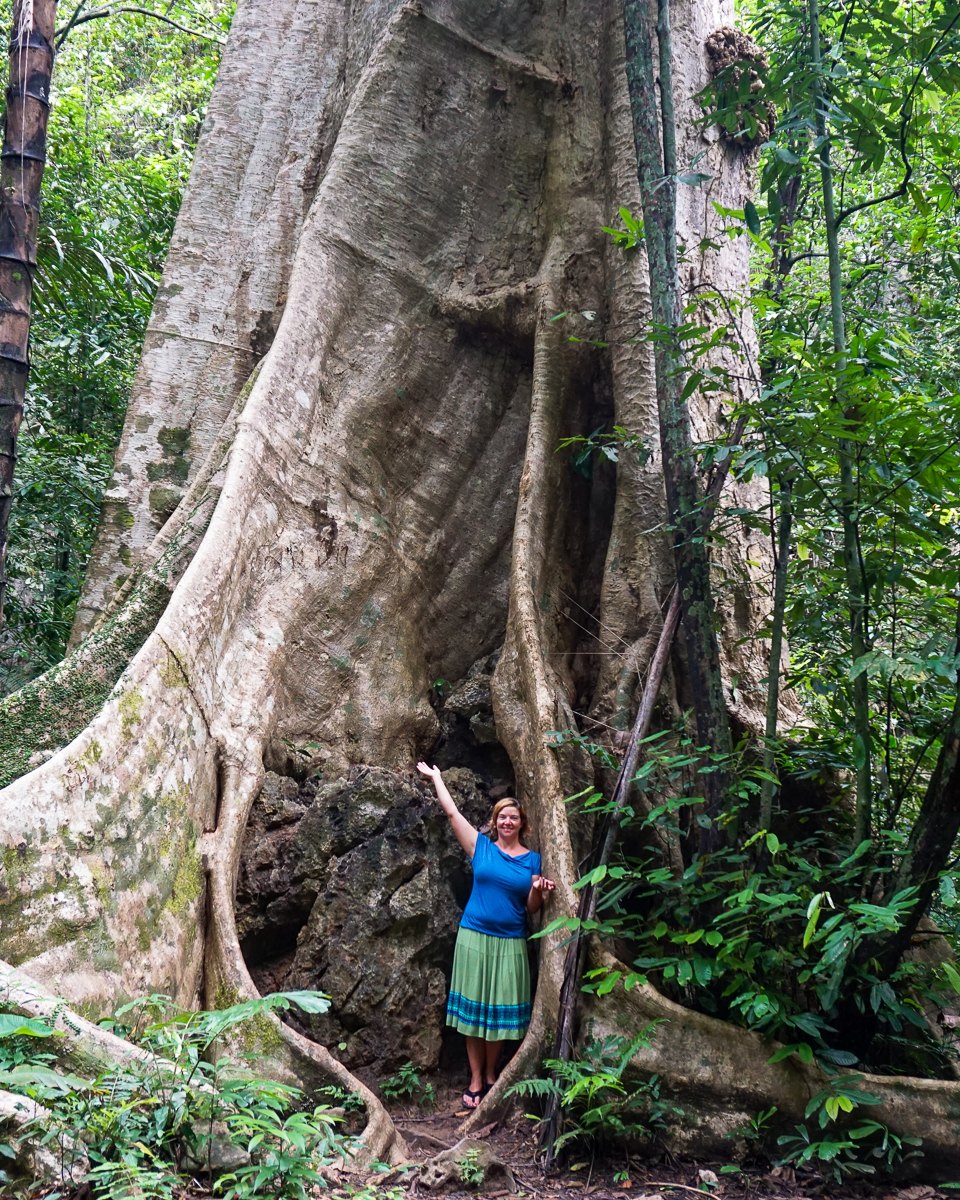
If ‘pick a reason’ sounds vague, here are three real ones from our own trips. None of them are complicated. That is sort of the point.
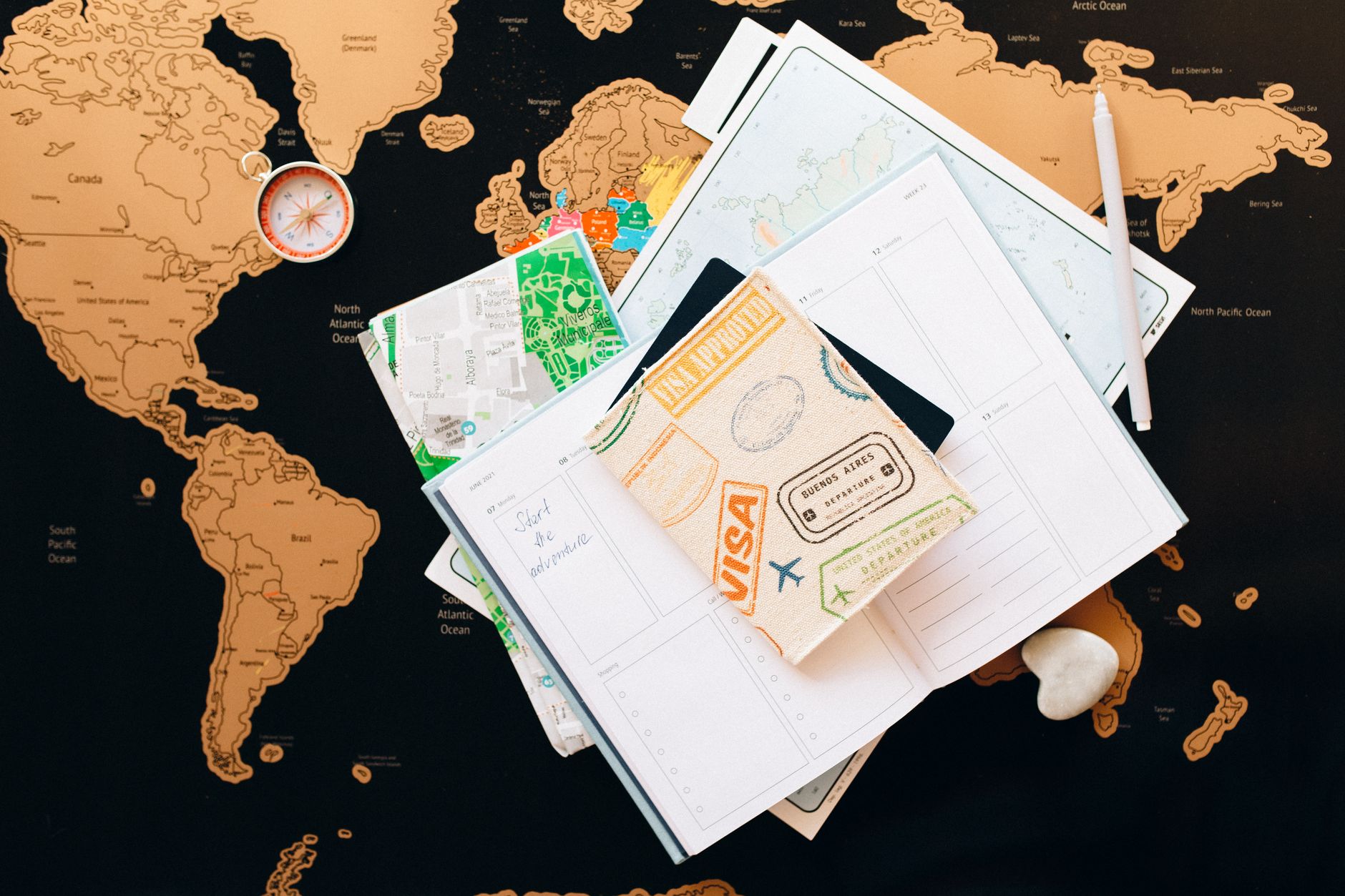
Sometimes the only goal is to slow down. We rent one apartment, work in the mornings, walk in the afternoons, and book almost nothing. It is the trip we come home most grateful for.
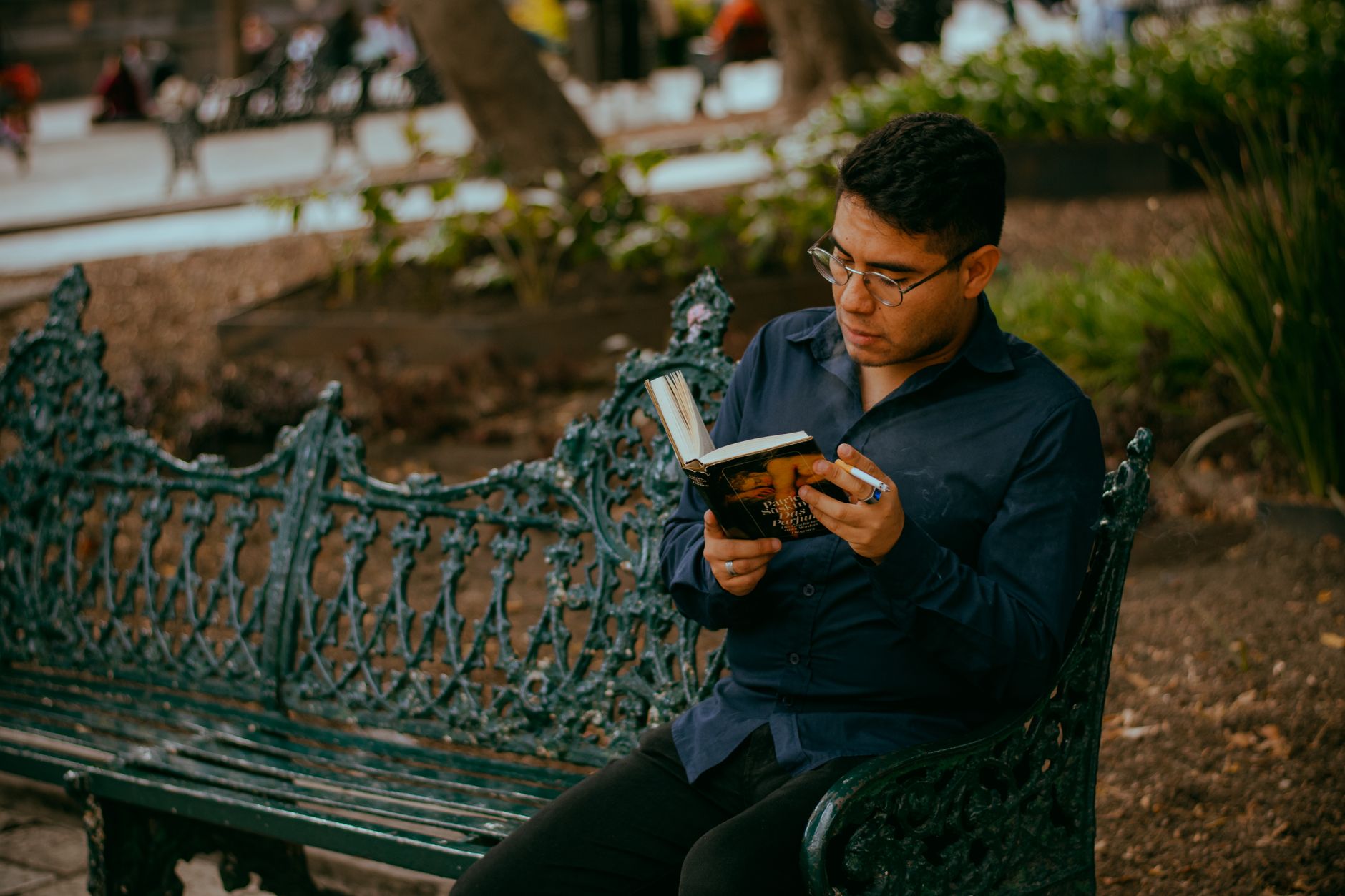
A cooking class we build a week around. A language we want to stop butchering. One skill is enough to plan a trip on, and you come home with something that lasts longer than a tan.

We all have the place we have meant to visit for a decade. Make that the whole trip. Go deep on the one you actually care about instead of sampling five you don’t.
Mairin & Todd
The single best habit we have picked up is also the one that feels most wrong while you are doing it: leaving days completely empty. No tour, no reservation, no must-do. Just an open morning and a city to wander into.
Every time, the empty days turn out to be the ones we talk about later. The afternoon we followed a street market we did not know existed. The rainy day we gave up and read in a cafe for four hours and loved it. You cannot schedule those. You can only leave room for them, and it is easy to schedule that room right out of the trip.
So we treat blank space on the calendar as something to protect, not a gap to fill. We book the one or two things that really matter to us and we defend the rest of the time like it is the point. Because for the way we travel, it is.
Traveling on purpose does not mean traveling without mishaps. We have booked the wrong town, misread a season, and shown up somewhere that just did not click. The difference now is that a clear reason makes it easy to change course.
If a place is not giving us what we came for, we leave. We have cut stays short, extended others on a whim, and rerouted a whole trip over a long lunch and a map. When you know why you came, you can tell right away when it is not working, and you are not trapped by a schedule you set months ago in a different mood.
A plan is our best guess about what will make a trip good. Holding it loosely is what keeps intentional travel from turning into just another thing to obey.
We want to be clear about one thing, because intentional travel can start to sound like a spreadsheet. It is about spending your time and money on what you actually want instead of what you think you are supposed to want.
We still say yes to dumb fun. We have changed plans on a coin flip, stayed an extra week because we liked a town, and blown a budget on one ridiculous meal. Intention is what gives spontaneity room to happen, because you are not booked solid trying to see it all.
Decide what matters, protect the empty space around it, and then let the trip surprise you. That is the method, and it has made our travel happier and a good deal cheaper.
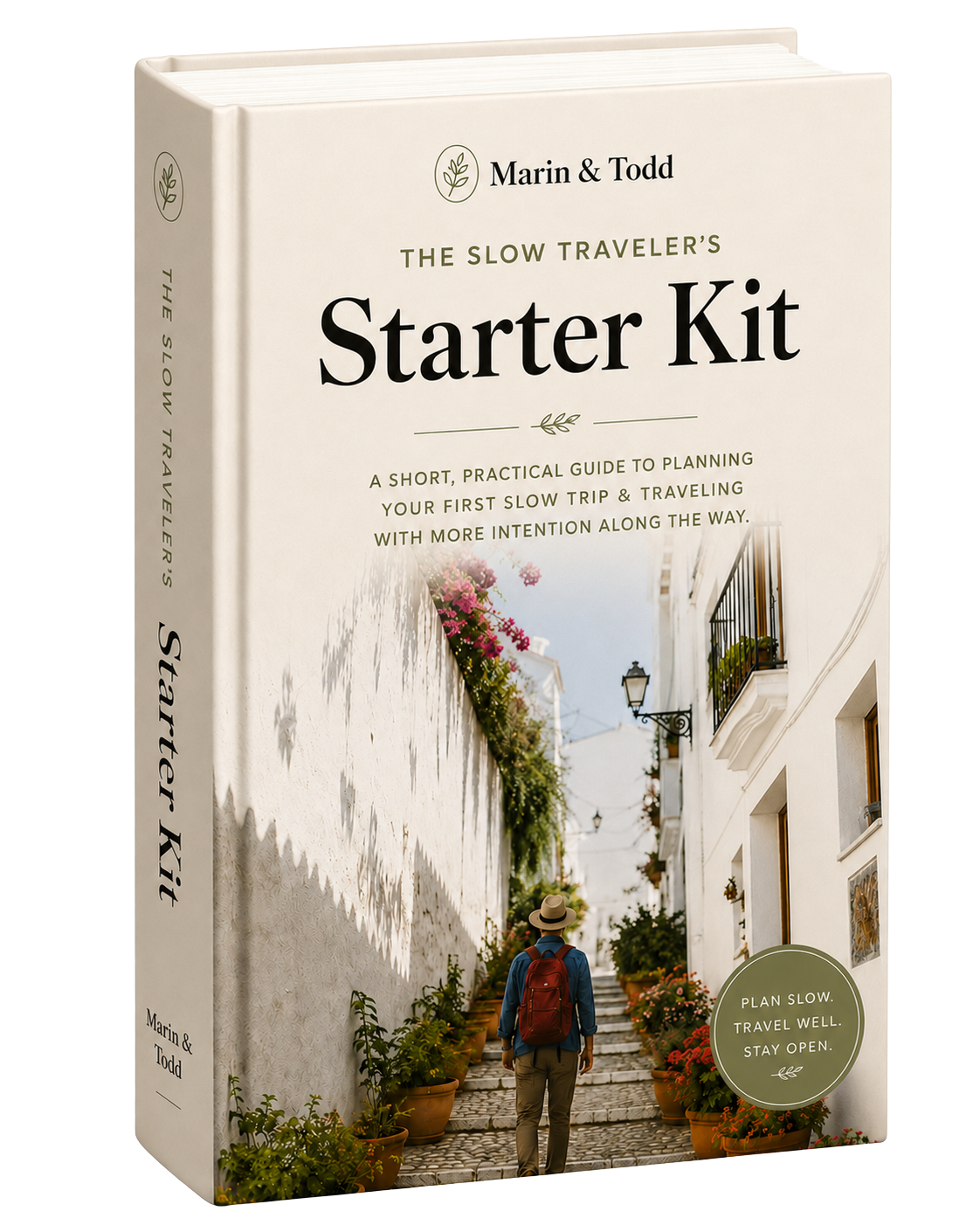
Our short, practical guide to planning a slower trip: how to pick a base, how long to stay, and how to travel deeper without the overwhelm.
Get the free guideWe send slow-travel tips and nothing else. Unsubscribe anytime.