
Pick one place, stay a while, and let it become familiar. That’s where the good stuff lives, and it’s how Todd and I have traveled for the better part of ten years.
Slow travel is the choice to stay put long enough that a place stops feeling foreign and starts feeling like somewhere you live.
We learned this slowly, by getting it wrong. Early on we tried to see everything, and we burned out fast. It takes more energy and more money to move quickly, and you remember almost none of it.
So we slowed down. We pick fewer places and give each one real time. We shop at the same market twice, get to know one café, and finally start recognizing faces on the street. The trips we remember best are always the unhurried ones.
We’re not experts and we don’t pretend to be. We’re a midlife couple who figured out, after a lot of trial and error, that the second half of life is a fine time to stop rushing.
On our first long trip we hit a new town every two or three days. Six months in, the whole thing had blurred into one long airport. We had photos of places we could barely name and a tiredness that no amount of sleep seemed to fix.
Then we ran out of money faster than planned and slowed down because we had to. We rented a small apartment for a month instead of three hotels for ten days. Something shifted. We stopped sightseeing and started living. We had a vegetable guy. We knew which café had the good table in the morning sun. We learned the name of the cat that sat on the wall outside our door.
None of that goes on a highlight reel, and all of it is what we actually remember. Slow travel costs less, tires you less, and gives you the part of a place that a weekend never will.
The strange part is that staying in one place makes the world feel bigger, not smaller. When every day is a sprint to the next sight, places blur into one tired montage. When you settle in, a single town opens up into dozens of small worlds: this street in the morning, that one at night, the market on a Saturday, the hill you finally climb in week three. That is what we are after. The rest of this page is how we do it.
None of this is complicated. It just runs against the instinct to cram everything in.
Choose a single town or neighborhood and stay there. Day trips are fine. Changing hotels every two nights defeats the point.
Whatever you’d planned, double it. We aim for at least a week somewhere for every couple of quick stops, and a month when we can.
The same morning coffee, a regular market run, a walk you start to know by heart. Routine is what turns a visit into a life.
Plan less than you think. The best afternoons are the ones with nothing on them, where you follow a side street and see where it goes.
People ask us how long to stay, and our honest answer is: longer than that. A week somewhere is the floor. The first two days you are still a tourist, fumbling with the bus and the coffee order. By day four you have a routine. By the end of a week you have favorites.
When we can swing it, we stay a month. A month means you stop racing the clock. You can have a lazy day, a sick day, a day you do nothing but read by the window, and you don’t feel like you wasted the trip. That margin is what we are paying for. Slow travel is mostly just buying yourself enough time to relax.
The best part of slow travel turns out to be the boring parts. The same barista who starts your order before you reach the counter. The market vendor who saves you the good tomatoes. The neighbor who nods because by now your face is familiar.
Todd does most of the baking back home, so we always end up circling the same bakery until the owner figures out we are the odd Americans who keep coming back for the dense rye nobody else buys. That is the moment a place flips from somewhere you are visiting to somewhere you belong, a little. You can’t rush it, and you can’t fake it. You just have to stay.
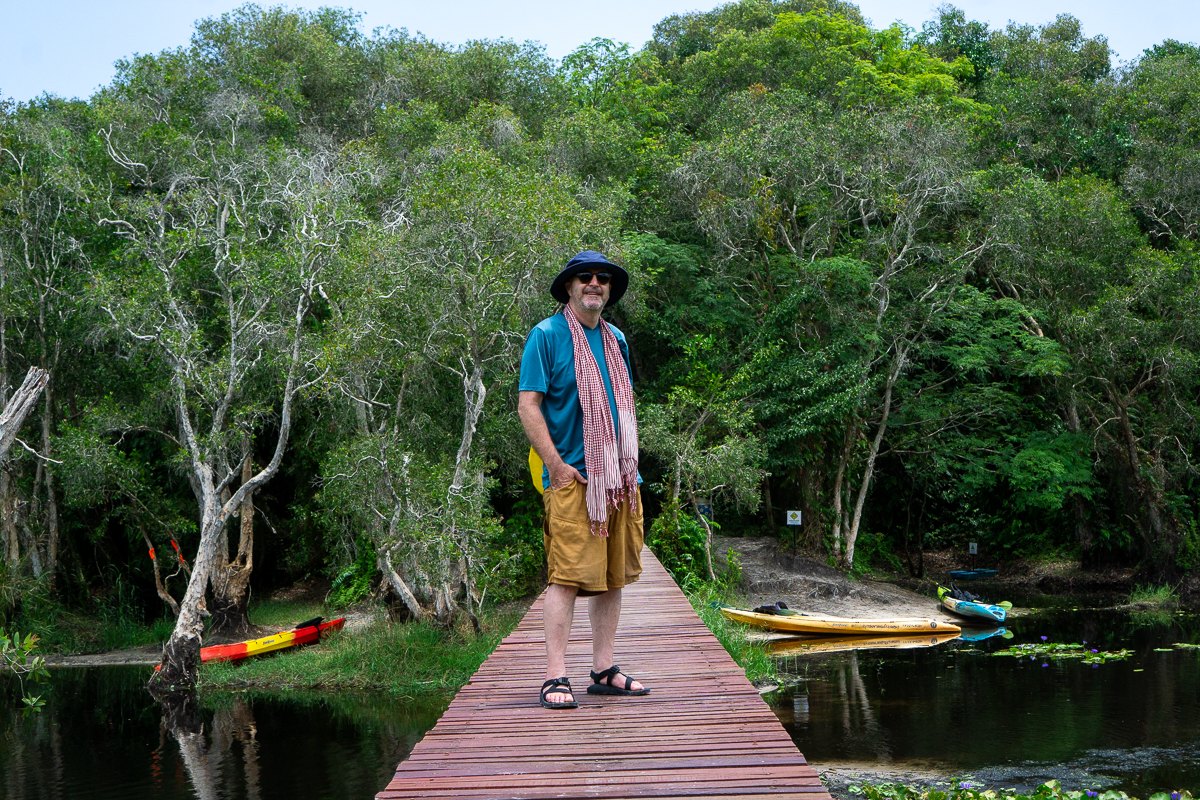
Slow travel is the middle ground between a month on a beach and 20 miles a day on foot. Here is roughly what our weeks fill up with.
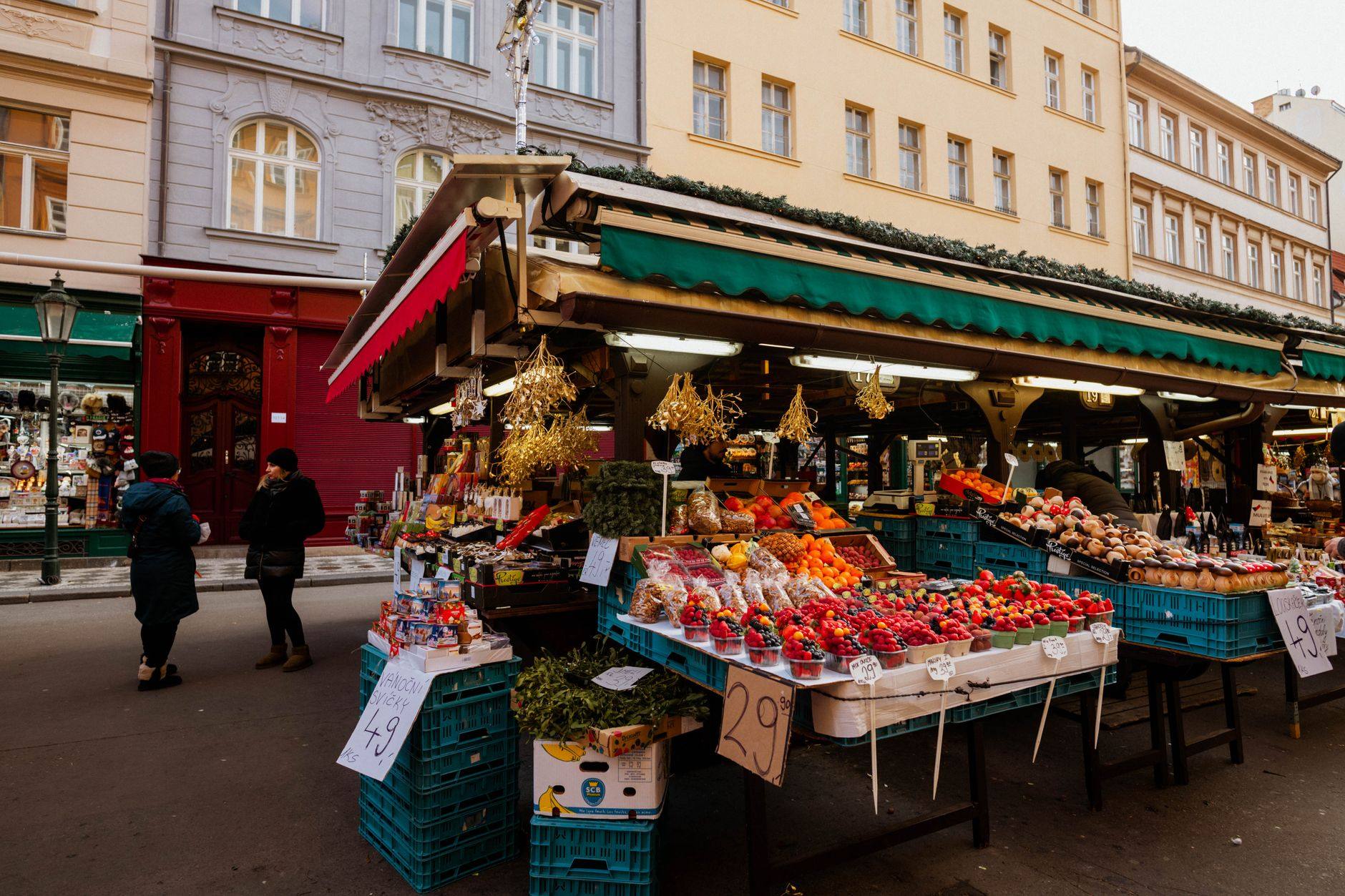
We treat the local market like a museum we get to eat. Half our meals are whatever looked good at the stall that morning, cooked back at the apartment.
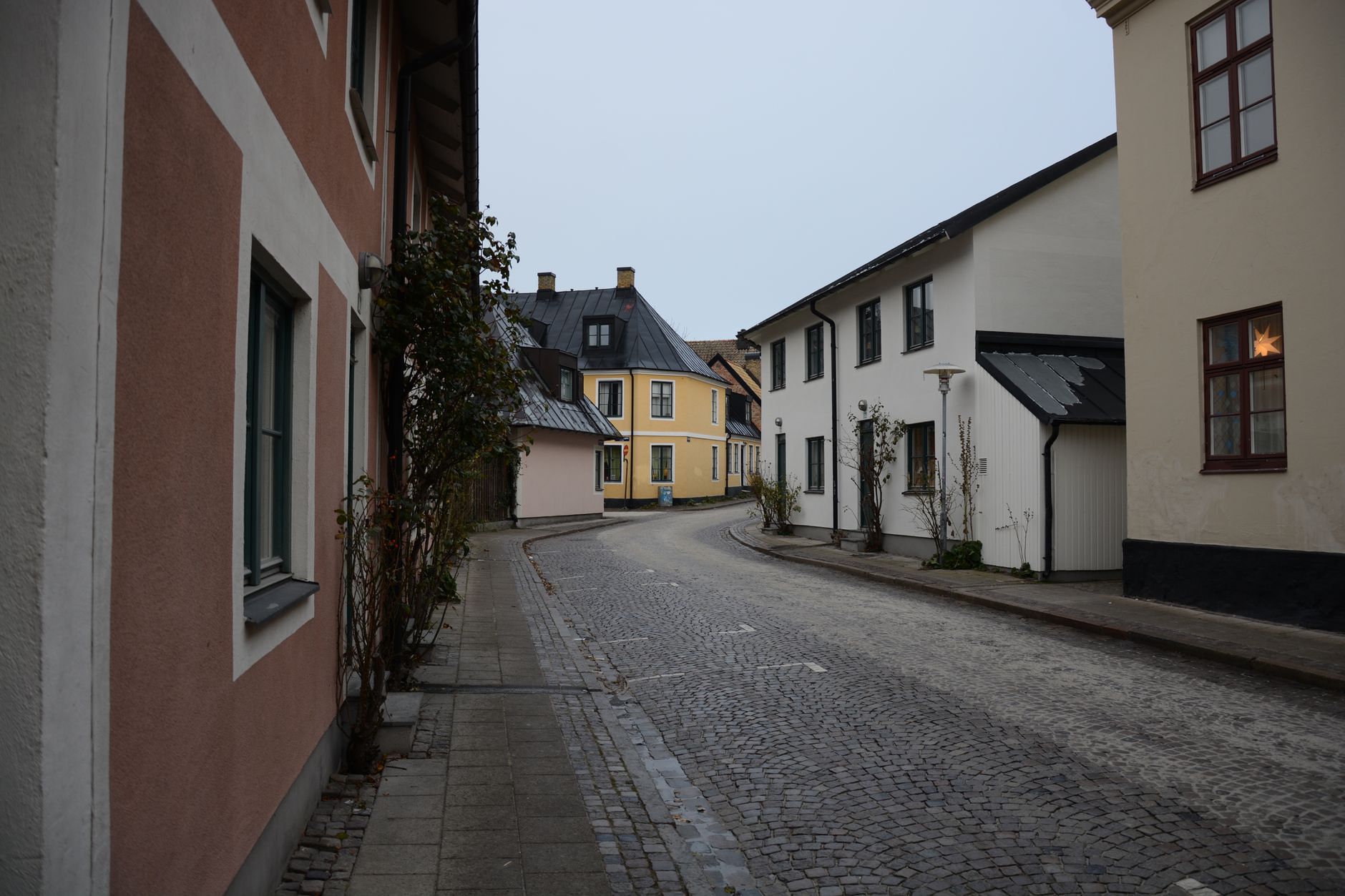
Most afternoons we just pick a direction and go. If we see an alley that looks fun to explore, we get lost on purpose. The best finds are never on the map.
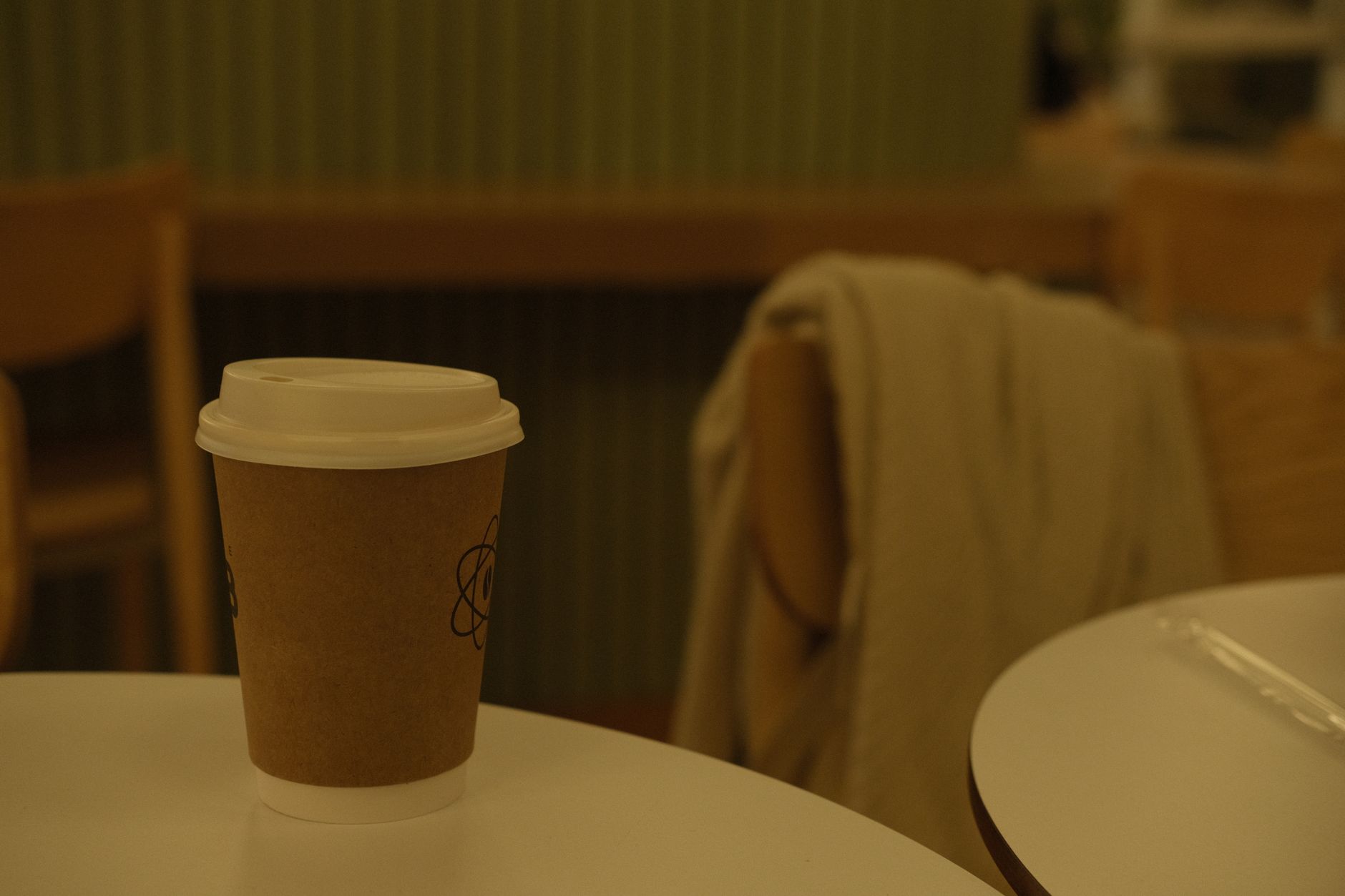
A lot of our slow weeks happen in someone else’s home, minding a dog and keeping the plants alive. We get a kitchen, a neighborhood, and an unhurried morning window, which is why we go slow.
Mairin & Todd
People assume that staying somewhere a month must cost a fortune. For us it has been the opposite. Moving fast is what drains the bank account. Every new city means another set of trains or flights, another first-night dinner out because you have no kitchen, another round of tourist prices because you do not yet know where the locals shop.
Stay put and the math flips. A month in an apartment costs a fraction of the nightly hotel rate. You cook most meals from the market instead of eating out three times a day. You buy the weekly transit pass instead of paying per ride. You stop overpaying for everything just because you do not know the place yet.
We are not rich, and we have never pretended to be. We paid off our debt before we left, we travel on a normal budget, and slowing down is a big part of how we make it stretch. The free guide gets into the real numbers, but the short version is this: the calm way to travel is also the affordable one.
It is the question we get most, and we understand it. A month in one town sounds like it would get old by week two. In ten years it never has, and the reason surprised us.
When you are not racing to see everything, small things become enough. A new bakery is an event. A different walk home is a discovery. The festival you would have missed on a three-day visit lands right in the middle of your stay. Boredom turns out to be a symptom of skimming. The places that felt thin in a weekend got deeper the longer we sat with them.
And on the rare day we do feel restless, we take a day trip and come home to a bed we already know. That is the luxury of having a base. You can wander as far as you like when you always have somewhere familiar to come back to.
We write for travelers in the second half of life, the ones who have done the ten-cities-in-ten-days trip and came home needing a vacation from the vacation. If that is you, slow travel is going to feel like a relief.
You do not need to sell the house or quit your job to try it. The next time you travel, pick one place instead of four. Rent an apartment instead of a hotel. Give yourself a week with nothing booked, and see how you feel by the end of it. That is the entire experiment, and it costs less than the trip you were already going to take.
We got it wrong for years before it clicked, so we are the last people to lecture anyone. We just know how much better travel got for us once we stopped trying to win it.
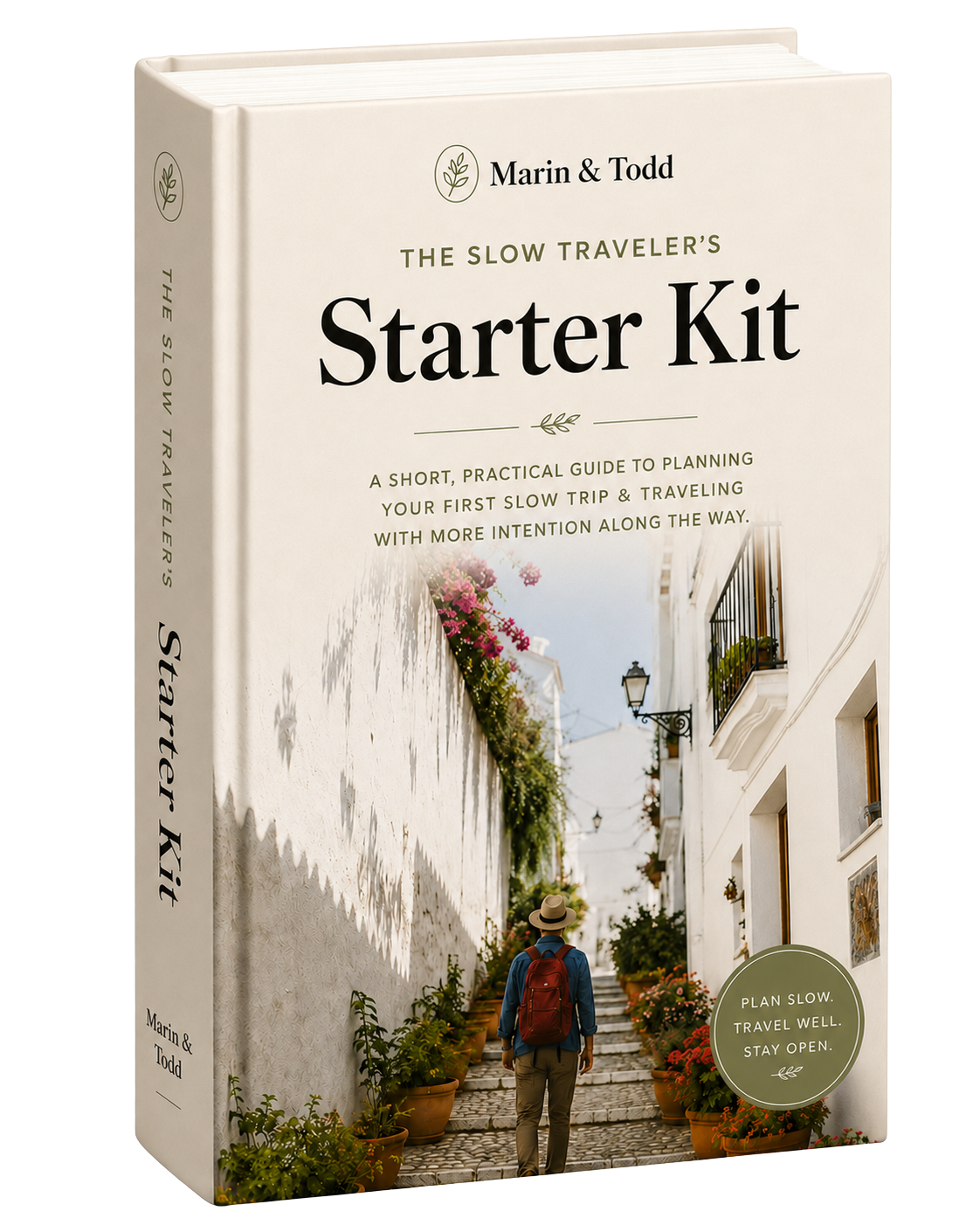
Our short, practical guide to planning a slower trip: how to pick a base, how long to stay, and how to travel deeper without the overwhelm.
Get the free guideWe send slow-travel tips and nothing else. Unsubscribe anytime.