Six or seven months into our first big trip, Todd and I sat down on a curb in a town I can barely remember the name of and admitted we were exhausted. We had seen so much and held on to almost none of it. I was at my heaviest in years and out of shape from a year of buses and beer. We had been going fast because that is what you do, and it had worn us flat out.
That curb is where slow travel actually started for us. It was the only way we could keep going without hating it. We left the US in our forties to do this, and we figured we had better do it in a way we could sustain.
Why we left in the first place
We were in our forties, living in Oregon, and we had done the math that scares people. A ten-day vacation to Mexico one winter made it worse, not better. It made us realize that getting away for a week every couple of years was not what we were actually after. We wanted more than a break from our life. We wanted a different one.
So we paid off our debt, sold the house, and left in November of 2016. The plan was a sabbatical year. It is going on ten years now. We are clearly bad at sticking to plans, and we have made peace with that.
What going fast actually cost us
For the first stretch we did it the normal way. New city every few days, big list, a lot of ground covered. On paper it looked like the trip of a lifetime. In practice it ground us down.
Fast travel is expensive in ways that do not show up on the ticket price. It costs more money, because every few days you are paying for transport and a new bed and the first overpriced meal in a place you do not know yet. It costs more energy, because you are always packing, always navigating, always a little lost. And it costs you the actual experience, because you are so busy getting to the next place that you never really arrive at the one you are in.
We came out of those months having seen a dozen countries and unable to tell you much real about any of them. That was the warning we needed. Less, it turned out, would have been more.
What slow travel actually means for us
Slow travel gets used to mean a lot of things. For us it is simple and a little boring, which is the point. It means staying longer in fewer places and letting a destination become ordinary before we leave it.
We pick fewer places
This is the main thing. We choose far fewer stops than we want to, every single time, because we know our eyes are bigger than our stamina. Pick less than you think you should. You will still not see it all, and you will enjoy what you do see a great deal more.
We stay at least a week, often much longer
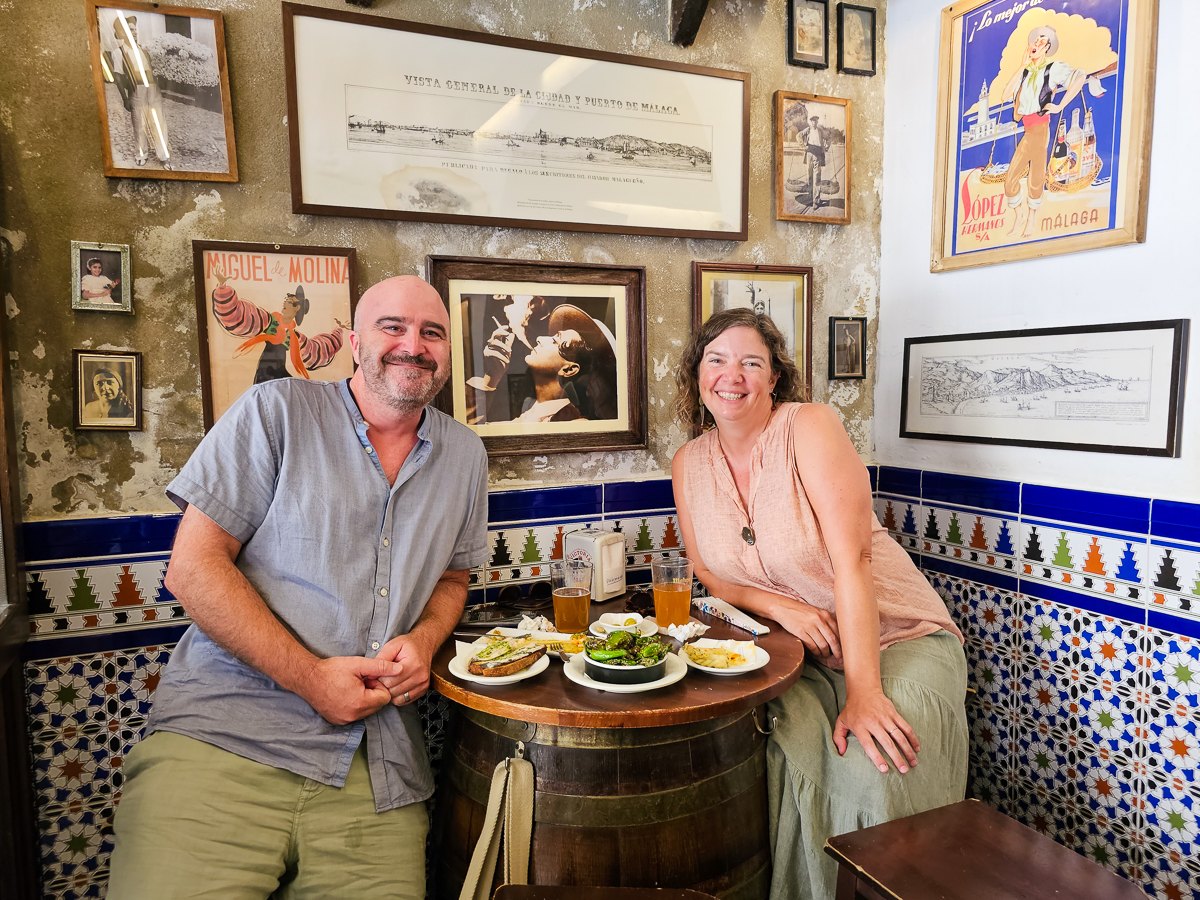
Our loose rule became at least four days anywhere, and a full week or more for every two or three quick moves. These days, thanks to housesitting, a stay is often weeks at a stretch. Long enough to have a regular coffee spot, a market we know, and a sense of which streets we like at which time of day.
We let days be empty
Not every day has a plan, and that is on purpose. Some of our best afternoons abroad came from wandering with nowhere to be, finding a little restaurant or a shop down an alley we had no reason to walk down. If you see a street that looks good, get lost on it. That habit has given us more than any guidebook ever did.
How we actually pull it off
People assume slow travel for ten years takes a trust fund. It does not. It takes a handful of unglamorous habits that make the money and the time work.
- We housesit. Looking after homes and pets in exchange for free stays is the engine of the whole thing. It has put us up in eight countries and turns a long, slow trip into something we can actually afford.
- We work as we go. We taught English in Thailand and Vietnam, then moved to teaching online, which untethered us from any one place. Slow travel and remote income fit together well.
- We cook. Eating every meal out is what drains a budget fast. With a kitchen and a good market, we eat better for less, and the cooking becomes part of the trip.
- We move when it stops feeling right. If we decide we do not like where we are, we move. Simple as that. Slowing down does not mean getting stuck.
What changed when we slowed down
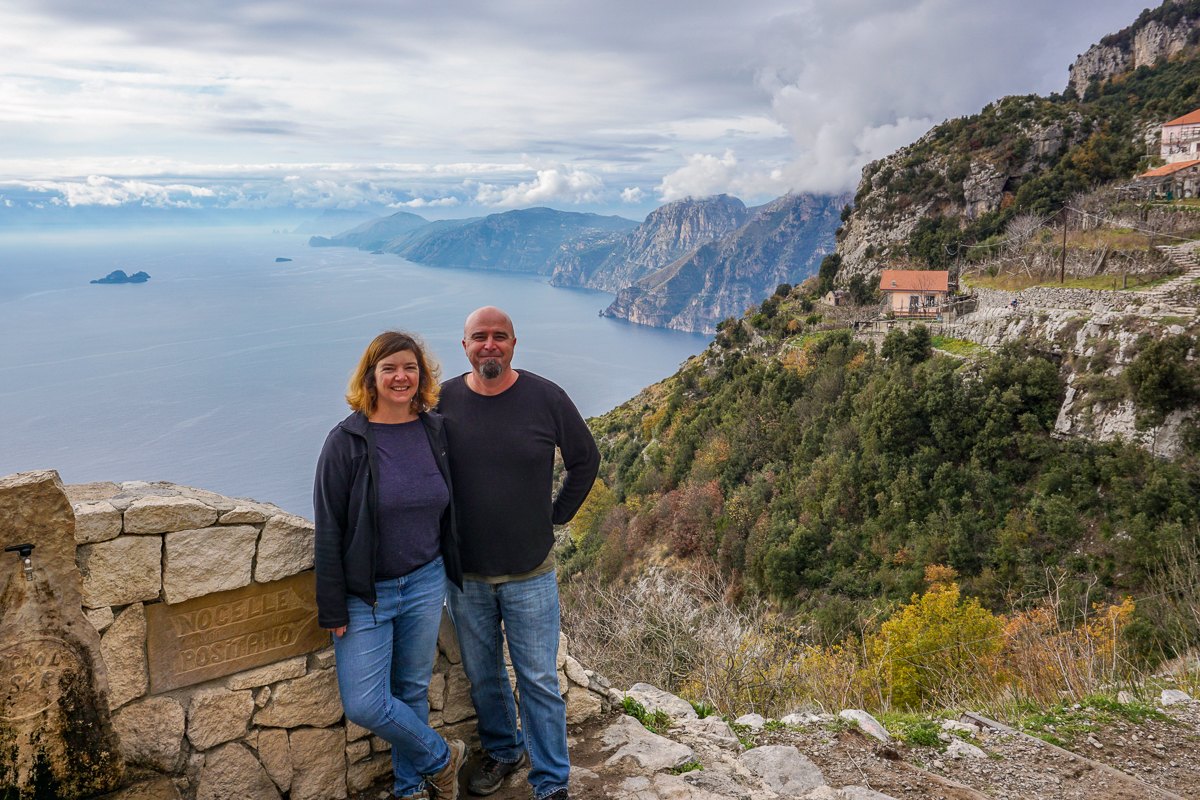
The obvious change was that we enjoyed it more. The deeper change was that the travel started to feel like a life instead of a highlight reel. We made the same walk enough times to notice the small stuff. We got to know shopkeepers and neighbors. We cooked dinner in a home that was ours for a few weeks and felt, for a while, like we lived somewhere.
There is a midlife piece to this we did not expect. Doing this in our forties, with aging bodies and twenty-some years of restaurant work behind us, we have no interest in proving anything by cramming a country into a weekend. We would rather know one neighborhood well than skim ten. Slow travel turned out to suit the people we actually are now, not the travelers we thought we were supposed to be.
If you are thinking about it
You do not have to sell your house and leave for ten years. Slow travel scales down fine. Take your next trip and cut the itinerary in half. Stay a week somewhere instead of two nights. Rent an apartment with a kitchen, shop at the local market, and give yourself one day with no plan at all.
The world does not get smaller when you slow down. It gets closer. We were tired and a little lost on that curb years ago, and the fix was not to push harder. It was to stop, stay put, and let a place become familiar. We have been traveling that way ever since, and we are not in any hurry to go back to the other kind.